
This guide is packed with practical insights. You’ll learn how to understand your son’s background, build trust, address emotional needs, embrace his identity, support his education, and create lifelong connections.
Ready to become the parent your adoptive son deserves? Dive in and start applying these proven strategies to make a lasting impact.
Understanding Your Adoptive Son’s Background
Every adoptive son brings a life story that is uniquely his own. To truly support him, parents must first understand the experiences and challenges he faced before joining their family. This foundation shapes everything else, from emotional development to daily routines.
Recognizing Pre-Adoption Experiences and Trauma
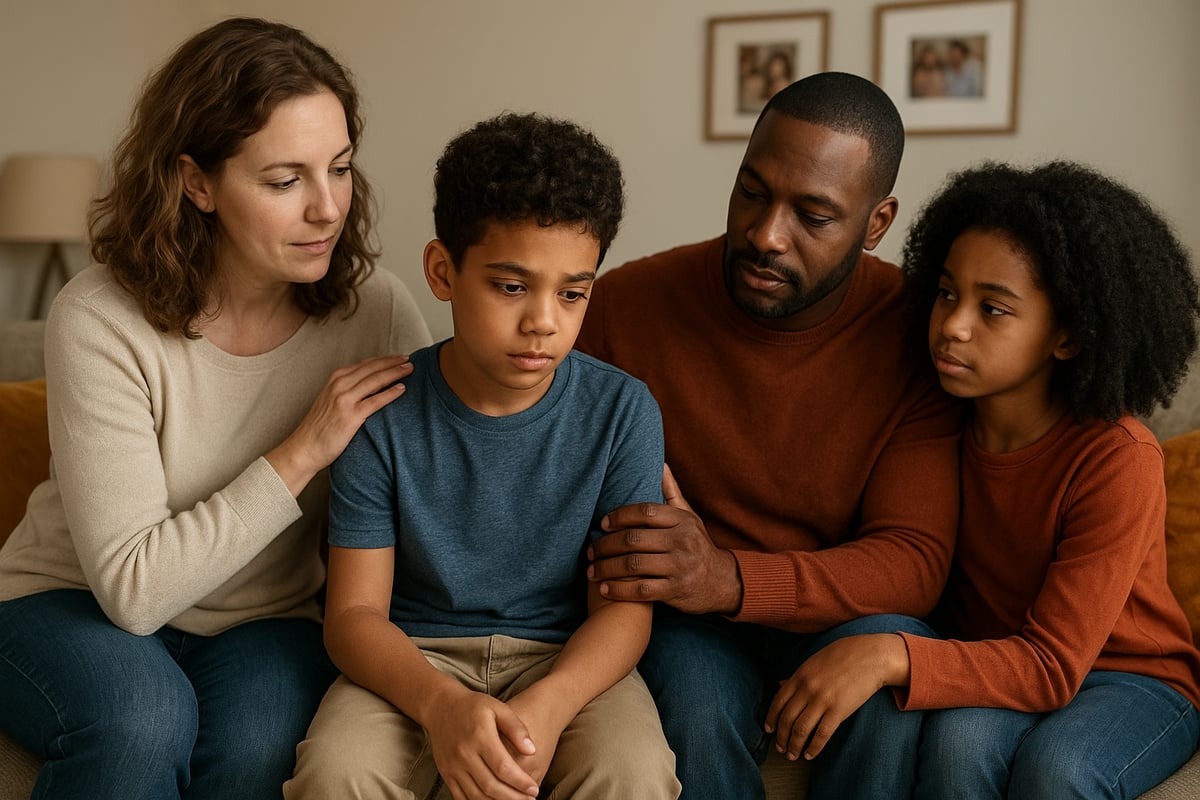
Before becoming part of your family, your adoptive son may have spent time in foster care, an orphanage, or even multiple placements. These early experiences can deeply affect emotional and behavioral development. Studies show many adopted children, especially from international settings, have faced loss or neglect.
Trauma can show up in many ways. Some adoptive sons might withdraw, while others display anger or struggle to trust adults. For example, a child with a history of prenatal adversity may have difficulty managing emotions, leading to outbursts or shutdowns.
Learning about your adoptive son’s journey, and how trauma shapes behavior, is essential. For deeper insight into these unique challenges, consider reviewing Understanding Adoptees’ Experiences.
Cultural and Racial Identity Considerations
If your adoptive son comes from a different cultural or racial background, navigating identity becomes even more complex. Transracial and international adoptions often introduce challenges such as language barriers and adapting to new traditions.
Maintaining a connection to his birth culture can strengthen self-esteem and help him feel rooted. You might join cultural communities, celebrate traditional holidays, or encourage learning about his native language. Take, for example, an Ethiopian adoptee who found comfort through community events and language classes, gradually embracing both new and old identities.
Your adoptive son will look to you for guidance as he builds pride in his heritage and finds his place in your family.
Legal and Medical History Awareness
Gathering thorough adoption records is vital for your adoptive son’s well-being. Medical and psychological histories, when available, can inform healthcare and educational decisions. However, sometimes information is incomplete or unknown, especially in international or disrupted adoptions.
Legal considerations, such as open versus closed adoption and post-adoption rights, also shape your son’s experience. Being transparent and sharing information in an age-appropriate way helps build trust. For example, some families face the challenge of missing medical records, which can complicate healthcare decisions and require ongoing advocacy.
Always approach these conversations with honesty, keeping your adoptive son’s best interests at heart.
Building a Foundation of Trust
Trust is the cornerstone of every relationship, and it is especially crucial for your adoptive son. Consistency, predictability, and reliability help ease attachment issues that may affect bonding and daily life.
Establishing clear routines and boundaries provides a sense of safety. Progress might be slow—some parents report taking months or even years to see genuine emotional connection. Patience is key. Celebrate small milestones, like your adoptive son seeking comfort or sharing a feeling, as these are signs trust is growing.
Initial Adjustment Period: What to Expect
The first months after adoption can be unpredictable. It is common for an adoptive son to show regressive behaviors, test boundaries, or seek constant reassurance. Adjustment timelines vary, but most children settle into new family dynamics within a year.
Watch for signs that your adoptive son may need extra support, such as persistent withdrawal or intense outbursts. Early intervention from professionals can make a world of difference during this sensitive time.
Building Emotional Security and Regulation Skills
Building emotional security and regulation skills is crucial for every adoptive son. Many children come into new families with a mix of hope and uncertainty. As a parent, your approach to these early emotional hurdles will set the tone for years to come.
Recognizing and Naming Emotions
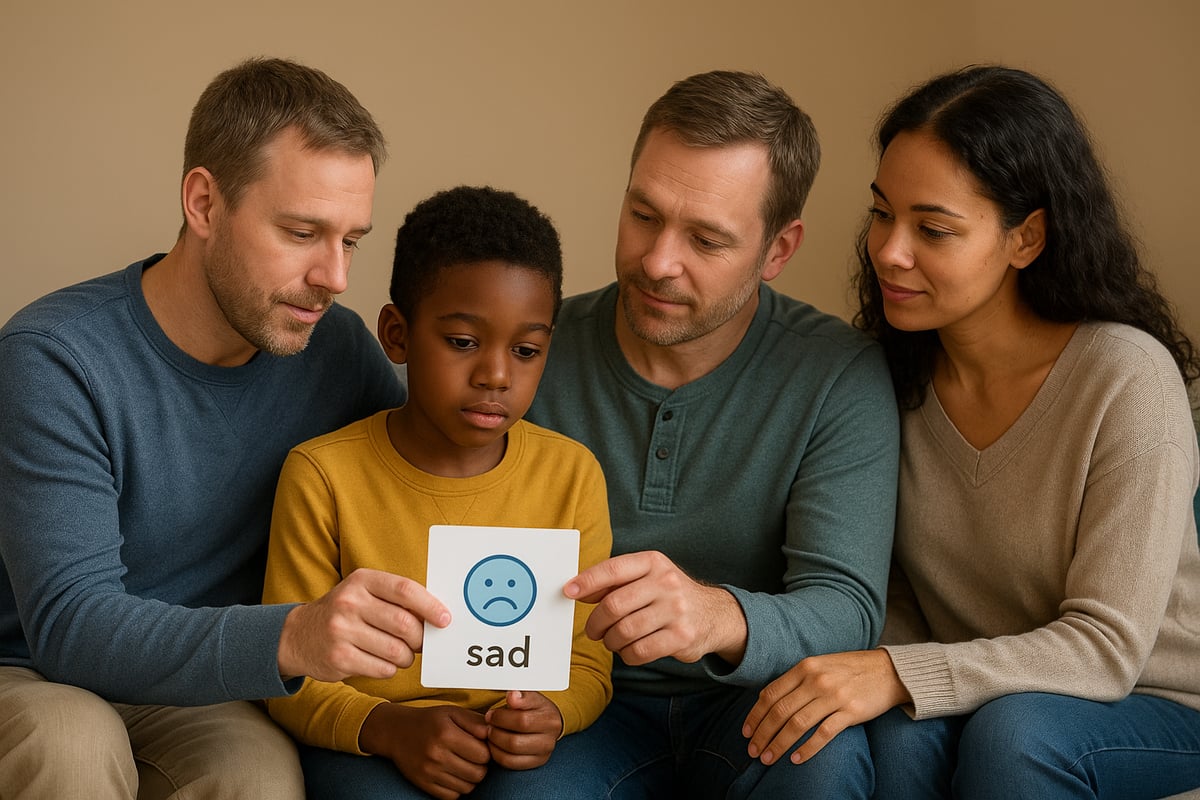
For many children, especially an adoptive son, identifying and expressing emotions is a challenge. Past trauma or disrupted attachments may make it hard for him to put feelings into words.
Visual tools, like emotion flashcards or feelings boards, can help. These resources offer a concrete way for your adoptive son to point to what he feels when words are difficult. Try using these tools during daily check-ins or after emotional moments.
Model emotional language as a parent. Use phrases like, “I feel frustrated when…” so your adoptive son learns that all emotions are valid. For children on the autism spectrum or those with speech delays, visual aids can be especially powerful in bridging the communication gap.
Trauma-Informed Parenting Approaches
Parenting an adoptive son often means adapting your style to his trauma history. Approaches like Trust-Based Relational Intervention (TBRI) and Theraplay are designed specifically for children who have experienced adversity.
These methods focus on connection over correction. Instead of traditional discipline, trauma-informed parenting uses empathy and understanding. Many parents report that their adoptive son shows improved behavior and emotional stability when these strategies are used.
Try to observe patterns: Does your adoptive son act out during transitions or after visits with birth family members? Adjust your responses to prioritize trust and connection, not punishment.
Creating Safe Spaces for Emotional Expression
A safe, calming environment helps your adoptive son process big feelings. Designate a quiet corner, play tent, or cozy nook where he can retreat when overwhelmed.
Teach coping skills tailored to your adoptive son’s needs. Simple activities like deep breathing, squeezing a stress ball, or jumping on a trampoline can help him reset.
Encourage “reset” routines, such as listening to calming music or drawing. Over time, your adoptive son will learn which tools work best for him, and you’ll notice fewer meltdowns.
Managing Challenging Behaviors
Challenging behaviors in an adoptive son often have deep roots. Anger, defiance, or withdrawal can be signs of unresolved trauma, not just misbehavior.
Respond with empathy instead of punishment. Ask yourself: Is my adoptive son reacting to a trigger from his past? Separate trauma-related behaviors from typical childhood testing.
If behaviors escalate or persist, consider seeking professional help. Therapists with adoption expertise can help your adoptive son develop healthier ways to cope with stress and frustration.
Parental Self-Regulation and Modeling
Your emotional responses shape how your adoptive son learns to regulate his own feelings. Staying calm during your child’s outburst is essential.
Practice mindfulness and take short breaks when needed. Self-care for parents isn’t selfish—it’s necessary. When you remain steady, your adoptive son feels more secure and learns that big emotions are manageable.
One parent shared that by staying calm, her adoptive son’s tantrums became shorter and less intense. Modeling this self-regulation teaches resilience and emotional balance.
Accessing Professional Support and Resources
If your adoptive son struggles despite your best efforts, it’s time to reach out. Therapists, counselors, and support groups can provide guidance tailored to your family’s journey.
Explore play therapy, family sessions, or trauma-focused interventions. Parent participation in therapy is crucial, as you are your adoptive son’s most important support. Community resources and online courses—like those found in Adoption and Mental Health Insights—can help you understand and address complex emotional needs.
Remember, seeking help is a sign of strength. By investing in support, you’re empowering your adoptive son to build lifelong emotional skills.
Navigating Identity, Belonging, and Family Dynamics
Helping your adoptive son feel secure in his identity and place within your family is a journey filled with learning, empathy, and intentional action. Every family dynamic is different, and understanding how to address identity and belonging is crucial for your adoptive son’s long-term confidence and happiness.
Supporting Racial and Cultural Identity
For many families, raising an adoptive son from a different racial or cultural background means navigating new territory. It’s important to recognize that your adoptive son’s heritage is a vital part of his self-esteem and development.
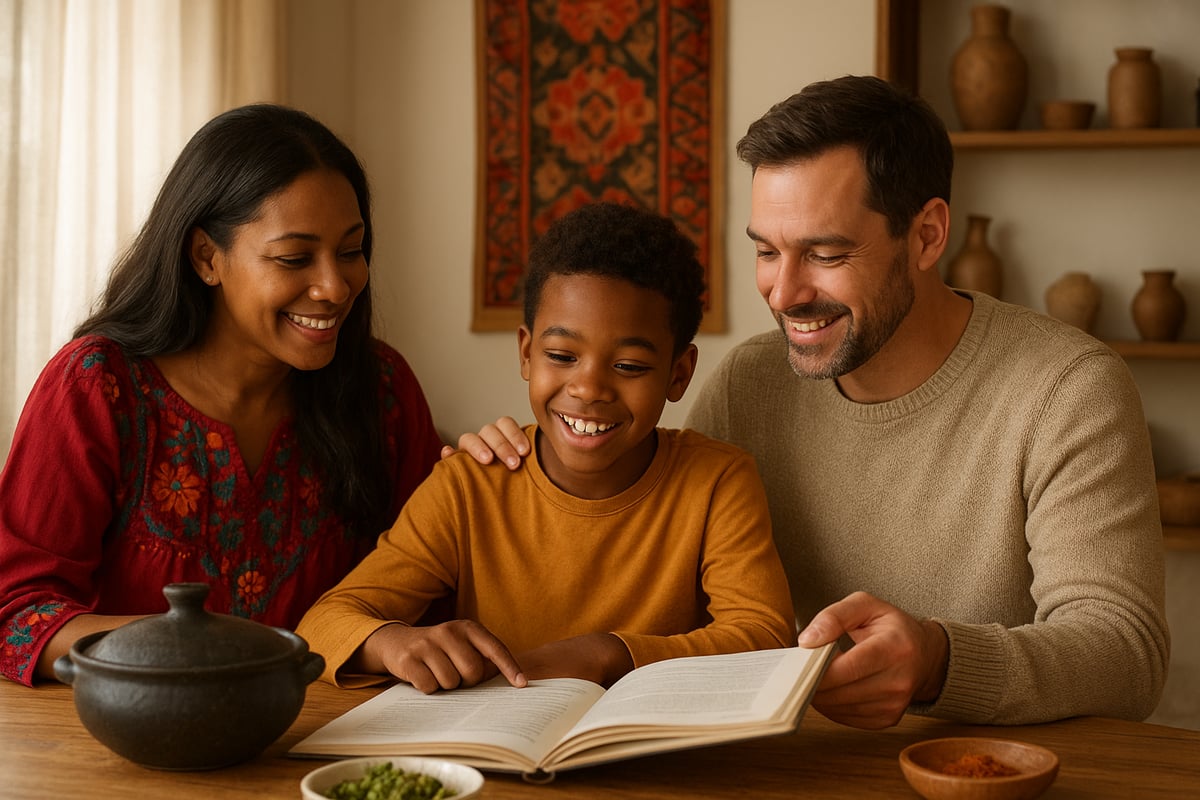
Connecting with mentors from similar backgrounds, celebrating cultural holidays, and learning about traditions together can help your adoptive son feel seen and valued. If your family is navigating transracial adoption, resources like Multi-Ethnic and Transracial Adoptions offer practical guidance and community connections.
One parent shared how their Ethiopian adoptive son thrived when they joined a local cultural group and cooked traditional meals together.
Open Dialogue About Adoption
Honest, age-appropriate conversations about adoption are essential for your adoptive son’s emotional well-being. He may have questions about his birth family or feel confused about his story.
Encourage open dialogue, allowing your adoptive son to express feelings of loss, curiosity, or uncertainty. Normalize his questions and reassure him that every emotion is valid. Share your own feelings, too, and let him know he isn’t alone in this journey.
For example, a teen adoptee felt empowered when his family regularly discussed adoption, making it easier for him to ask about his birth relatives without fear.
Sibling and Extended Family Relationships
Introducing an adoptive son into a family with biological or other adopted siblings can bring both joy and challenges. Jealousy, rivalry, or feelings of exclusion may surface, so preparation and communication are key.
Talk openly with all siblings about the changes adoption brings. Include extended family in conversations to set expectations and encourage acceptance. Build inclusive family traditions that make your adoptive son feel just as important as everyone else.
One family found that creating a “welcome day” tradition each year helped their adoptive son and his siblings celebrate their bond.
Addressing Stigma and Misunderstandings
Your adoptive son may face insensitive questions or misconceptions from peers, teachers, or community members. Equip him with confident, age-appropriate language to share his story—or to set boundaries as he wishes.
Educate those around you about adoption realities, and advocate in school or community settings when needed. Addressing microaggressions and stereotypes directly helps build resilience for your adoptive son.
For instance, a family role-played common questions so their adoptive son felt prepared to respond and knew he had their support.
Fostering a Sense of Belonging
A strong sense of belonging is the foundation for your adoptive son’s growth. Create family rituals, such as shared meals or game nights, that reinforce your unique identity as a unit.
Invite your adoptive son to participate in decisions and activities, encouraging him to take ownership of family roles. Group chats or peer support groups with other adoptees can also help him feel less isolated.
One adoptive son found confidence through a local adoptee group, sharing stories and building friendships that lasted beyond childhood.
Supporting Educational and Social Development
Helping your adoptive son thrive in school and social circles is crucial for long-term success. With intentional support, you can empower him to overcome learning barriers, build friendships, and develop a strong sense of self. Let’s break down how you can nurture growth in each of these important areas.
Understanding Learning Challenges and Strengths
Every adoptive son brings a unique set of talents and hurdles to the classroom. Some may face language delays, reading difficulties, or attention issues linked to early childhood experiences. Early assessment is key. By working with teachers and specialists, you can identify strengths and target challenges quickly.
For example, if your adoptive son struggles with reading, consider a specialized program that addresses his needs while building confidence. Encourage him to celebrate small victories and recognize his efforts. Remember, progress may look different for every child, but with consistent support, he can flourish academically.
Advocating in School Settings
Navigating school systems can be overwhelming, especially when your adoptive son needs extra support. Open communication with teachers about his background and needs is essential. Developing an IEP or 504 plan can ensure he receives necessary accommodations for learning or behavioral challenges.
Educating school staff about the effects of trauma is also vital. For evidence-based strategies, explore resources like Parenting After Trauma: Understanding Your Child’s Needs. By being proactive, you help create an environment where your adoptive son feels safe and understood.
Encouraging Healthy Peer Relationships
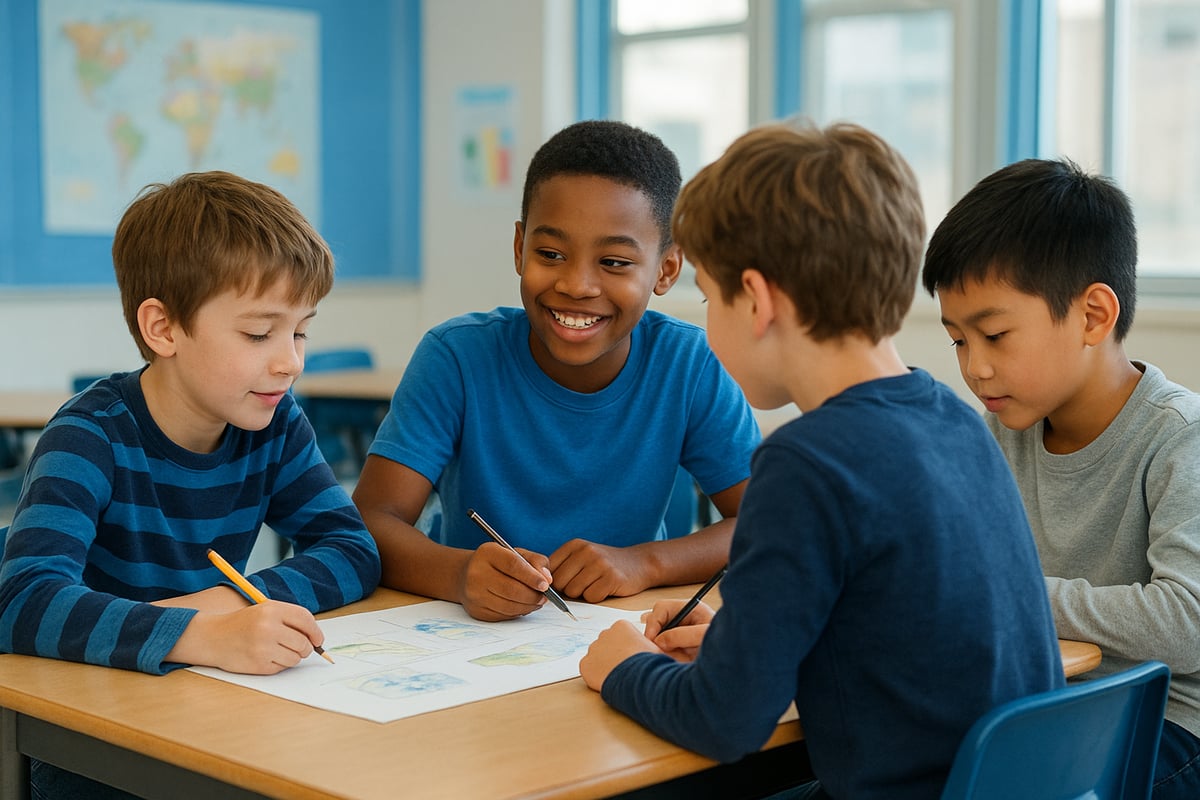
Building friendships can be tough for an adoptive son, especially if he feels different from his peers. Start by fostering social skills at home through role-play and open conversations about making friends. Encourage participation in group activities, such as clubs or sports, which can provide natural opportunities to connect.
If your adoptive son faces bullying or exclusion, address it with empathy and work closely with school staff. Celebrate his efforts to reach out, and remind him that real friendships are built over time. With patience and encouragement, he can form meaningful bonds with others.
Extracurricular Activities and Identity Building
Extracurriculars offer more than just fun — they help your adoptive son discover his passions and build a sense of belonging. Sports, arts, and cultural clubs can boost confidence and reinforce positive identity. Seek out activities that reflect his heritage or interests.
For instance, an adoptive son who joins a community sports league often gains not only athletic skills but also friendships and mentors. By supporting his involvement, you show that you value his individuality and encourage him to express himself fully.
Transitioning to Adolescence and Independence
As your adoptive son approaches adolescence, he may start to question his identity and independence. Prepare him for this transition by having honest conversations about self-advocacy, friendships, and responsible decision-making. Encourage him to set personal goals and celebrate milestones along the way.
Support during these years is crucial for mental health and self-esteem. With your guidance, your adoptive son can navigate the challenges of growing up while building resilience and confidence for adulthood.
Creating Lifelong Connections and Future Planning
Forming lifelong bonds and preparing your adoptive son for the future are essential for his long-term happiness and success. This stage is about helping him maintain healthy relationships, develop independence, and access the right support as he grows.
Maintaining Healthy Birth Family Connections (When Safe)
When appropriate and safe, nurturing a connection with your adoptive son’s birth family can be an important part of his identity. Open adoption or occasional contact may help answer questions, ease feelings of loss, and support emotional development.
Every adoptive son’s needs are unique. Some may crave regular updates or visits, while others need more distance. Listening to your son and letting him set the pace is crucial. Navigating these relationships requires boundaries and sensitivity, especially when emotions run high or histories are complex.
For practical tips on balancing healthy relationships and boundaries after adoption, refer to Navigating Post-Adoption Relationships. Creating a positive space for open discussion encourages trust and helps your adoptive son feel secure in both his past and present.
Life Skills and Independence Training
Equipping your adoptive son with life skills is vital for his confidence and future independence. Start by teaching basics like budgeting, meal planning, laundry, and decision-making. Practice these skills together, offering guidance and encouragement every step of the way.
Gradually increase responsibility as your adoptive son matures. Let him manage small tasks, such as organizing his schedule or handling a weekly allowance. Celebrate his progress, even in small steps.
For example, one young adult adoptee thrived when given a checklist for moving into his first apartment, building self-esteem and readiness for adulthood. Your ongoing support will make the transition smoother and more empowering for your adoptive son.
College, Career, and Beyond
Supporting your adoptive son through education and career planning is a long-term investment in his future. Start early by discussing his strengths, interests, and goals. Encourage him to explore different academic and vocational paths, and help him research scholarships or programs specifically for adoptees.
Transitioning out of the family home can stir up old fears or uncertainties. Stay involved by visiting campuses, introducing him to mentors, and helping him connect with support services. Your encouragement and advocacy will reassure your adoptive son that he’s not alone as he pursues his dreams.
Look into resources and organizations that offer college prep, job training, and networking opportunities tailored to adoptees. These can make a world of difference in building confidence and ambition.
Coping with Setbacks and “Broken Adoptions”
Even with the best intentions, some adoptive son experiences can include setbacks or crisis moments, such as disrupted placements or strained relationships. Recognizing early warning signs, such as withdrawal, sudden changes in behavior, or talk of running away, is essential.
If your adoptive son faces challenges like homelessness or family breakdown, act quickly to access legal, financial, and social services. Community organizations and crisis hotlines provide vital support during difficult times.
Stories of teens navigating post-adoption struggles highlight the need for ongoing advocacy and compassion. Remind your adoptive son that setbacks do not define him, and that support is always available.
Building a Support Network for Adulthood
A strong support network ensures your adoptive son never feels isolated as he enters adulthood. Encourage him to connect with mentors, peers, and community groups—both in person and online.
Ongoing counseling, support groups, and peer-to-peer connections can foster resilience and hope. Help your adoptive son discover organizations or activities where he feels accepted and understood.
Fostering these relationships builds lifelong confidence, increases well-being, and creates a foundation for your adoptive son’s continued growth. Stay engaged, and remind him that he always has a team in his corner.
Resources and Support Systems for Adoptive Families
Navigating the journey of raising an adoptive son requires more than just love and patience. Access to the right resources and support systems can make a lasting difference for your family. Whether you’re seeking professional help, community support, legal guidance, or educational materials, the right tools empower you to advocate for your adoptive son and foster his lifelong success.
Finding the Right Professional Help
Selecting trauma-informed professionals is essential for supporting your adoptive son through every stage. Look for therapists and counselors who have experience with adoption and trauma, as their guidance can address emotional and behavioral challenges effectively. Ongoing parent education is vital, so seek out workshops and online programs tailored for adoptive families.
Consider evidence-based approaches like Trust-Based Relational Intervention and Theraplay, which many parents find transformative. For a deeper dive into managing challenging behaviors, the book Trauma-Informed Foster and Adoptive Parenting offers actionable methods and practical advice. Prioritize professionals who encourage your involvement throughout the process to maximize positive outcomes for your adoptive son.
Community, Peer, and Online Support
Connecting with other adoptive families can provide comfort, validation, and practical solutions. Join local parent groups or online communities to share experiences and learn from others raising an adoptive son. Platforms like Reddit, Facebook, and specialized forums are invaluable for both parents and adoptees, offering a safe space to discuss challenges and celebrate milestones.
Peer support helps normalize feelings, reduces isolation, and fosters resilience. Encourage your adoptive son to join youth groups or events for adoptees, where he can build friendships and confidence. Community support is a cornerstone of successful adoptive parenting, empowering every family member.
Legal and Advocacy Resources
Understanding your rights as an adoptive family is crucial, especially when facing post-adoption challenges. Access legal aid for issues such as disputes, guardianship, or special needs advocacy. Many organizations offer free or low-cost consultations to help you navigate complex situations and protect your adoptive son’s best interests.
Stay informed about state and federal policies that impact adoptees. Advocacy groups can provide guidance on educational accommodations, healthcare access, and securing necessary services. Preparation and knowledge ensure you can confidently advocate for your adoptive son’s needs in any setting.
Recommended Reading and Educational Materials
Continued learning is key to supporting your adoptive son’s growth. Explore books, podcasts, and blogs created by adoption experts and adoptees themselves. Notable voices like Robyn Gobbel and Dr. Michael Thompson offer practical insights, while Paris Hilton’s advocacy brings awareness to adoptee experiences.
Stay up to date with the latest research and parenting strategies. Many resources provide real-life stories and evidence-based techniques you can use at home. Building your knowledge equips you to nurture, empower, and connect with your adoptive son at every stage.
After reading about the unique joys and challenges of raising an adoptive son, you might be thinking about your own next steps—especially if you’re preparing for a home study or starting your adoption journey. I know every detail matters when building a safe, loving environment for your family, and sometimes the process can feel overwhelming. That’s why I want to make things just a bit easier for you. For a limited time, you can save $100 on the cost of your home study with us—real support as you create a strong foundation for your new beginning. $100 Off Cost of Home Study
 Indiana Home Study